What is gunboat diplomacy without boats?
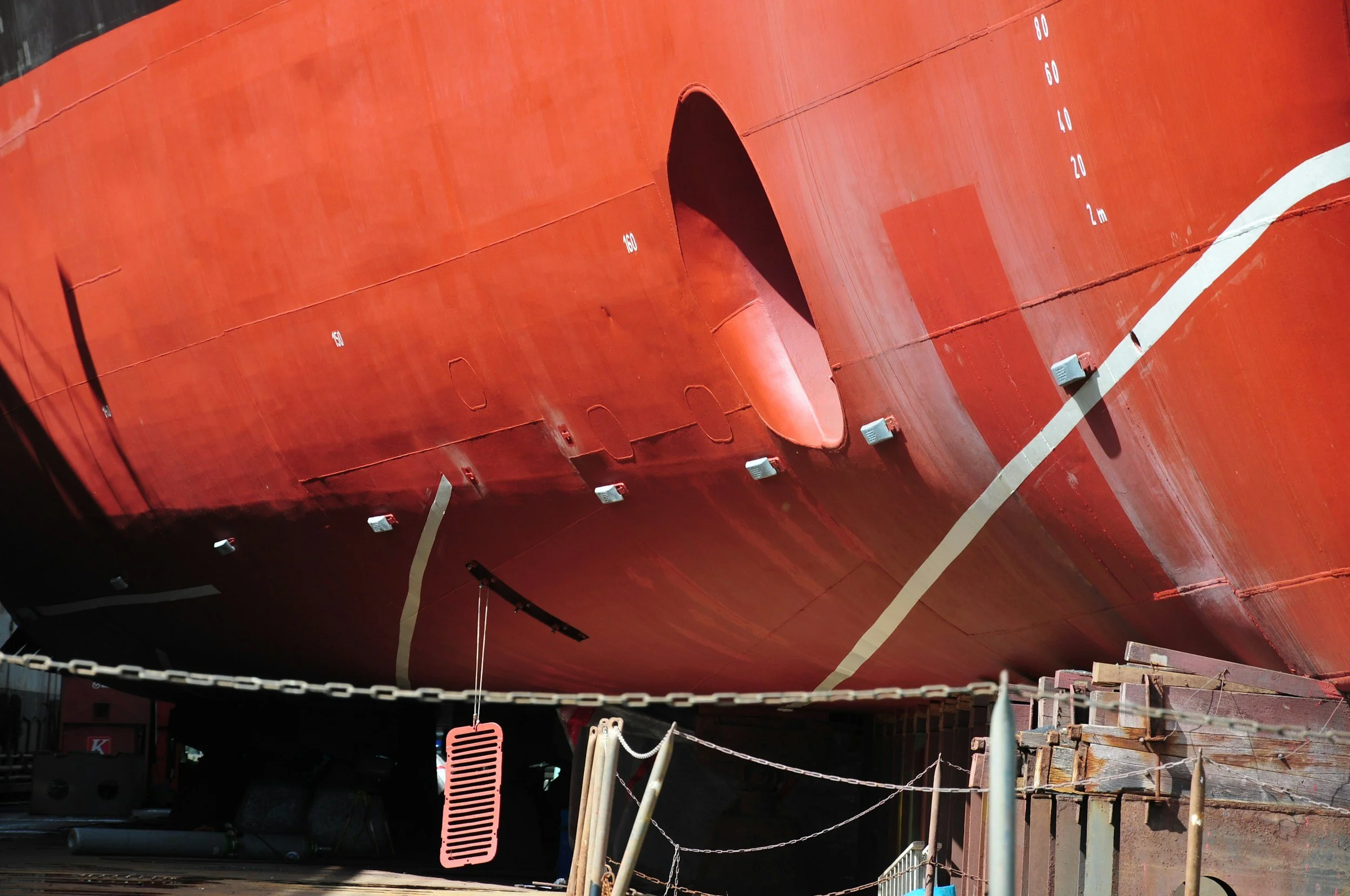
In December 2025, the president unveiled plans to revamp the U.S. Navy. He announced the construction of two new battleships, each costing between $10-$15 billion. It’s a start, but still only a drop in the bucket for reviving American shipbuilding.
Why is that important? First off, in commercial terms, almost 80% of global trade by weight is transported by ships. If you also consider the capabilities of our armed forces, you understand that nearly 90% of their supplies, equipment, fuel, ammo, and food are delivered by ships. In addition, if we encounter a national emergency, the Navy will depend on commercial shipyards to build warships and support ships, as well as to transport equipment and troops.
We learned this during World War II. At its height, the U.S. accounted for nearly 90% of global shipbuilding output. Today, that output has declined to a mere 0.2% of gross tonnage. What happened? Competition. After the war, the rest of the world needed to be rebuilt, much of it with American money, and the shipyards were among the areas that had been decimated.
Japan, for example, could offer lower labor costs, no union issues, brand-new shipyards, and prices that undercut American construction by as much as 60%. The fact that foreign steel production skyrocketed as well and was sold at a fraction of the U.S. price didn’t help either.
You know this, how? You might ask. As a kid in Philly in the early 50s, lots of neighborhood dads worked at the Philadelphia Naval Shipyard after the war. They made a good living then, since U.S. shipbuilding was still in its heyday. But the decline was rapid.
In the 1970s, the U.S. government attempted to reverse that slide with the Merchant Marine Act of 1970. Shipbuilders spent more than a billion dollars modernizing their yards and making capital improvements with government backing. America also asked the Japanese, now the world's top shipbuilder, to introduce new techniques and practices to reinvigorate our moribund industry.
It worked. For a brief period, the U.S. became the second-largest commercial shipbuilder in the world, behind Japan. Many of these new ships were Liquified Natural Gas carriers and oil tankers. However, the 1973 oil crisis put an end to that. The petroleum industry was on its knees, and demand for new ships dried up.
Despite that setback, our shipbuilding productivity improved in the years that followed. Meanwhile, foreign shipbuilders—especially the Chinese—improved even faster. In 2008, China surpassed Japan in shipbuilding output; by 2010, it overtook Korea to become the world’s largest shipbuilder.
By 2022, the U.S. had built just five ocean-going, commercial ships compared to China’s 1,794 and South Korea’s 734. Today, the U.S. Navy estimates that China’s shipbuilding capacity is 232 times that of the U.S. Even worse, it costs twice as much to build a ship in the U.S. as it does elsewhere.
Nine Asian and European carriers, organized into three cartels, now control 90% of the U.S. containerized shipping trade. To add insult to injury, one Chinese company produces 80% of all the ship-to-shore cranes in America. I could go on, but this is about shipbuilding, not about the Chinese, who also produce 95% of the shipping containers. The 2025 order book for new vessels indicated that China accounted for 75% of orders, followed by South Korea at 19%. Under these circumstances, how is Donald Trump going to make American shipbuilding great again?
Largely by following the tactics used by the U.S. in the Seventies. A new office of shipbuilding has been established and is again offering special tax incentives to develop the industry. Last year, the U.S. signed deals with three affiliates of Hanwha Group, the world's third-largest shipbuilder. The $500 billion deal is earmarked for maritime investment. In 2024, Hanwha bought the Philly Shipyard for $100 million. This is the sad remnant of my boyhood Naval Yard. That yard closed in the 1990s, laying off thousands of South Philly workers.
Hanwha is sinking $5 billion into the shipyard to upgrade the site. It is also training what they hope will be a new generation of shipbuilders, while investing in robotic labor. Management estimates that, if they hit their target of 20 boats per year, the workforce could top 10,000. That’s a big “if.”
The administration and industry plan to focus on manufacturing LNG tankers, icebreakers, and naval vessels. An Italian company, Fincantieri Marinette Marine (FMM), based in Wisconsin, is already manufacturing naval vessels, LNG-fueled cruise ships, and other commercial vessels. The U.S. is working with the Italians to expand that enterprise. In addition, last year Finland and the U.S. agreed to spend $6.1 billion to produce 11 new icebreakers for the U.S., with the first due to be completed by 2028.
Trump’s gunboat diplomacy, whether in Iran, Venezuela, or who knows where, appears to be a strategic tool of his presidency. As such, it is vital that the U.S. commands the high seas. In an age of drone warfare, ships are vulnerable in both combat and commercial settings. It’s early days, but at least the administration recognizes the need to modernize this industry. The hope is that just maybe my grandson might see the day when Philadelphia could once again be noted for something other than cheese steaks.
Bill Schmick is a founding partner of Onota Partners, Inc., in the Berkshires. Bill’s forecasts and opinions are purely his own and do not necessarily represent the views of Onota Partners, Inc. (OPI). None of his commentary is or should be considered investment advice. Direct your inquiries to Bill at 1-413-347-2401, email him at billiams1948@gmail.com, or visit his website at www.schmicksretiredinvestor.com. Investments in securities are not insured, protected or guaranteed and may result in loss of income and/or principal.