War headlines hide higher inflation, higher bond yields, and weakening tech
As this week’s round of ‘they said, he said’ plays out, few are paying attention to the longer-term ramifications of this war on the economy and the stock market.
Did you know that this week’s government bond auction of the 20-year U.S. Treasury bond, which yielded 5.047%, was one of the worst auctions in its five-year history? On Thursday the 7-year U.S. Treasury auction was also met with a negative reception. Last week, the yields on one, two, and three-year Treasuries all spiked higher as well.
The Organization for Economic Cooperation and Development predicts that the U.S. inflation rate will average 4.2% this year, 1 percentage point higher than its previous forecast. As for the global economy, they are pinning their hopes on AI spending to meet their 2.9% growth projection. One caveat to their model is the significant risk of persistent disruptions to exports from the Middle East.
Why is that important to the AI spending boom? Behind closed doors, with not much fanfare, the region spent $8.4 billion on AI last year. The six-country Gulf Cooperation Council (Bahrain, Kuwait, Oman, Qatar, Saudi Arabia, and the United Arab Emirates) saw their total wealth rise to $2.7 trillion in 2025. It was expected to climb again this year to $3.5 trillion. That was before the war.
A lot of that additional wealth was expected to fund continued AI spending growth, especially in the U.S., through individual sovereign wealth funds. Those expectations have fueled earnings and revenue projections from AI company management and Wall Street analysts. At this point, you might ask how much of those projections are now wishful thinking.
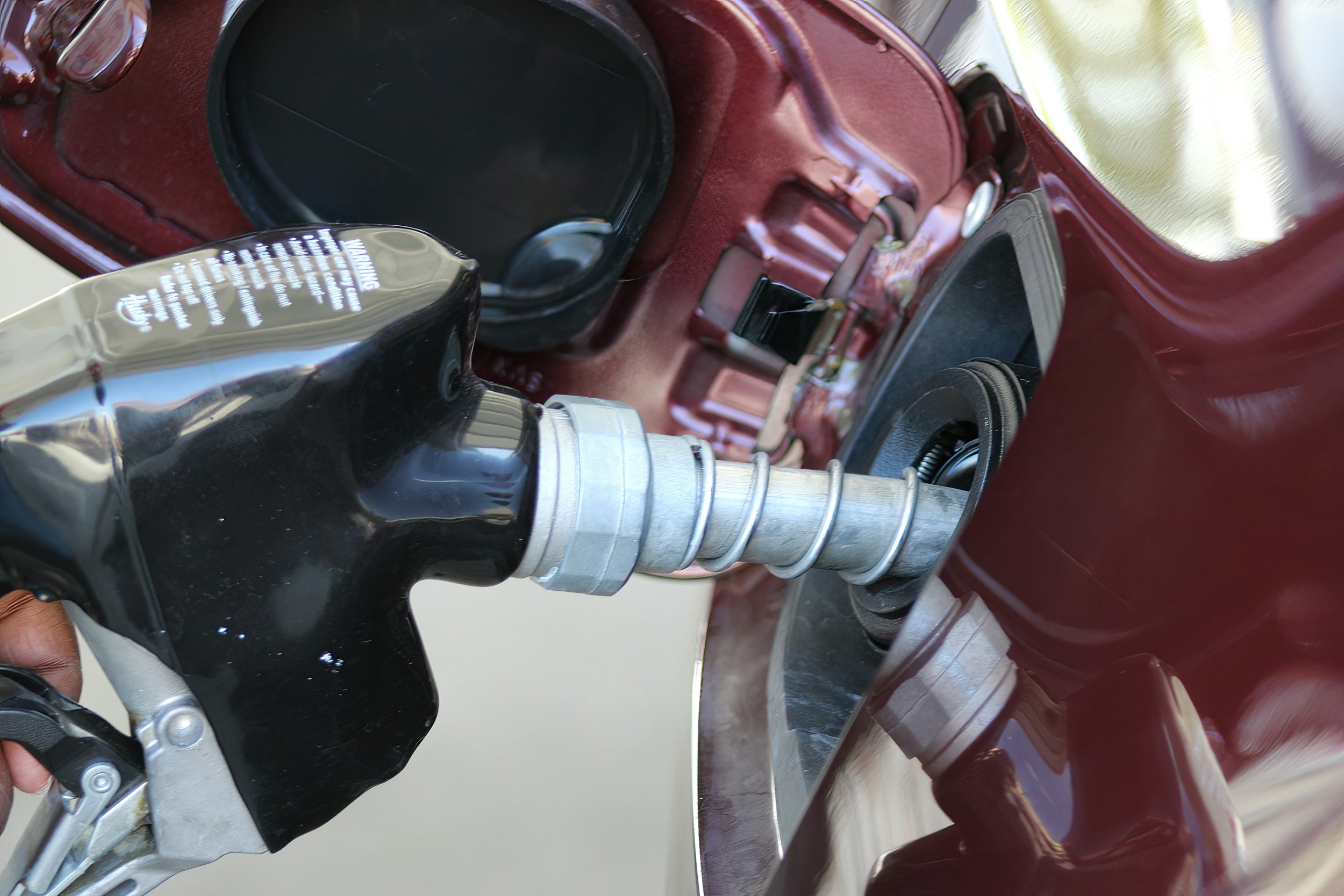
Bringing this back to the here and now, inflation forecasts around the Street continue to rise, as do the expectations for an interest rate hike. I think they are still low on their inflation projections when one factors in Donald Trump’s tariff increases and the resulting higher oil prices from the conflict with Iran. This is why bond yields are continuing to climb.
And it is not just in the U.S. Across the globe yields are rising quickly. The U.S. Ten-year Treasury bond is now yielding 4.41%. My line in the sand is 4.5%. Above that, the stock market is in trouble.
The ongoing war with Iran is central to these economic worries. The president's shift away from demanding "unconditional surrender" shows the stakes. When he urges Iran to negotiate "before it is too late," it raises questions about who stands to lose more. The stock market is Trump’s barometer of success. As such, expect the president or one of his cabinet members to “save the market” with a comment each time it threatens to fall precipitously.
The point of this column is to warn readers that a ceasefire, or better yet, a peace deal, is not going to fix the issues that plague the economy over the next few months. Make no mistake, a successful conclusion to this conflict will cause an immediate boost to markets. I could see the S&P 500 Index gain 200 points in the blink of an eye.
As I wrote last week, “There won’t be an opportunity to chase. There is one caveat to that advice. If you are lucky enough to know someone in the inner circle or have paid (donated) enough to the right people, then you will be given advanced notice. Giving friends, relatives, and donors advance notice has become a standard practice within government over the last year.
Monday was a case in point. Prior to the market opening, Donald Trump posted on Truth Social that he was postponing strikes on Iranian power plants thanks to “productive” talks. About 15 minutes before that, a $1.5 billion futures bet on stocks going up was placed, and $760 million in oil futures were also sold. Those trades were 4 to 6 times larger than anything else in the entire market. The markets gained more than 2% on the opening, while oil prices dropped 10%.
Someone with advanced knowledge profited more in a single trade than most Americans will earn in a thousand lifetimes—all while the war costs you $4/gallon and $16 billion or more in taxes. Is this what makes America great again? If so fine, if not, there is always the Third Annual No Kings Day on March 28.
Bill Schmick is a founding partner of Onota Partners, Inc., in the Berkshires. Bill’s forecasts and opinions are purely his own and do not necessarily represent the views of Onota Partners, Inc. (OPI). None of his commentary is or should be considered investment advice. Direct your inquiries to his website at www.schmicksretiredinvestor.com. Investments in securities are not insured, protected or guaranteed and may result in loss of income and/or principal.