The buyback controversy
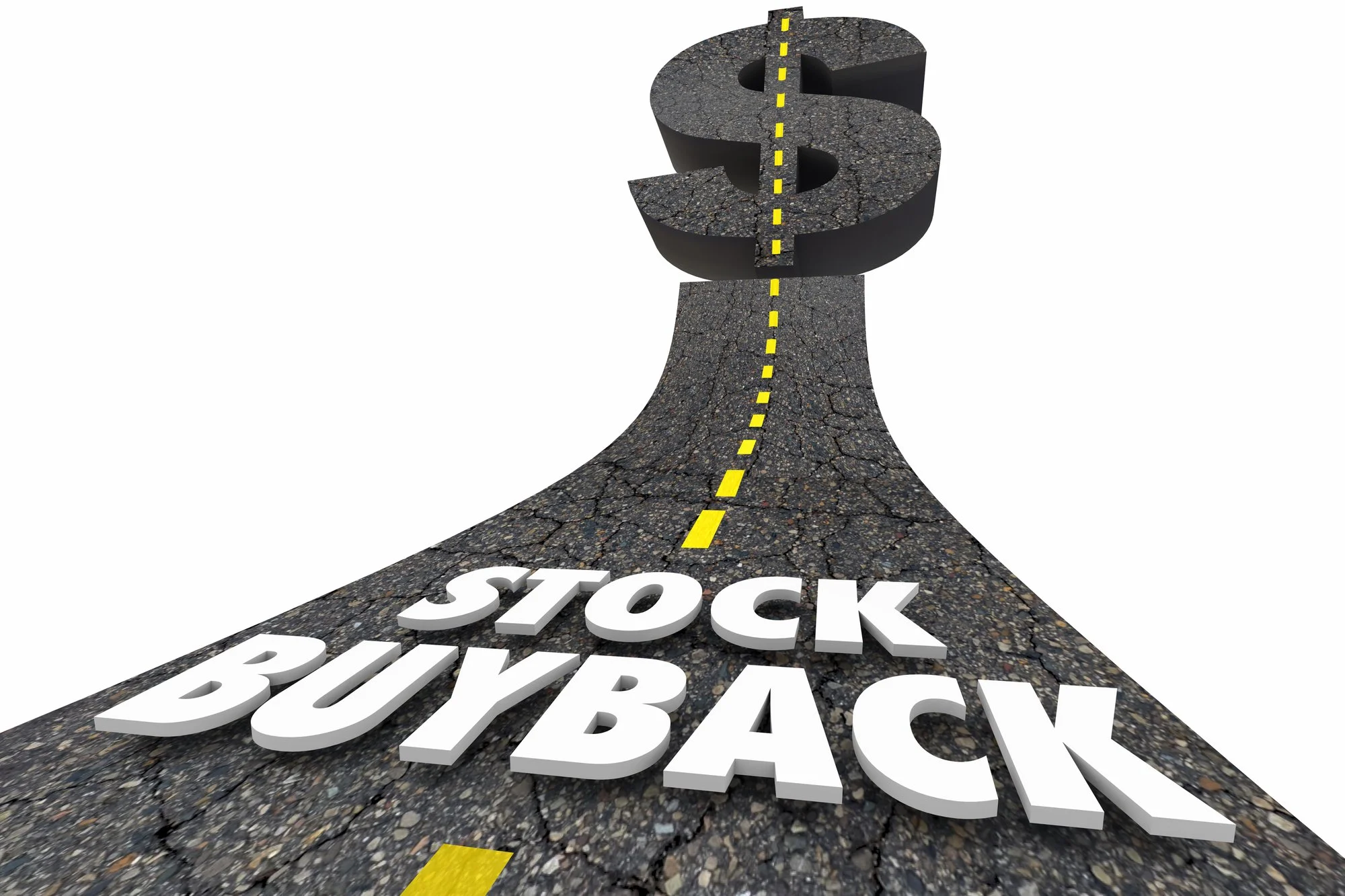
President Joe Biden wants to deter corporate buybacks by quadrupling the tax on the practice. Warren Buffet, among others, disagrees. In the middle, are shareholders and corporate executives.
For the last month, buybacks have been a topic that has evoked strong feelings in both the financial as well as political communities. You might be wondering why the issue has triggered such strong emotions. Here's why.
The theory behind corporate buybacks is that by repurchasing shares, companies reduce the number of shares outstanding. That gives existing shareholders a greater percentage of ownership in the company. Most of the financial community believes this is a good thing because it increases shareholder value.
Historically, most shareholders have expected to receive a share of corporate profits through dividends. In 1982, however, that changed when corporate buybacks became legal. Since then, there have been two ways to be rewarded by company management. Buybacks create support for share prices, while dividends reward shareholders for holding shares. Why would some politicians have a beef with the practice?
Critics argue that buybacks are simply an underhanded way of profiting executives and shareholders while deepening social inequality. The Biden Administration has homed in on the energy sector as a leading example of everything that is wrong with buybacks. Companies such as Chevron, which recently announced a plan to repurchase $75 billion of its shares as well as boost their dividend payout, is a case in point. That money, according to the White House, could have been better used to increase oil production, which would lead to lowering prices for all Americans at the gas pumps, while strengthening the nation's energy profile.
Oil companies may be a favorite target of politicians right now, but the truth is many companies have embraced buybacks, and with good reason. During any economic cycle, there are times when companies just can't find profitable ways to deploy the cash they have sitting on their balance sheets. Buying back stock, especially when they believe their shares are undervalued, is a rational use of funds.
But buybacks can be targets of politicians and voters when the practice is abused. Back in 2017, under the Tax Cuts and Jobs Act, the corporate tax rate was reduced to a flat 21%. The bill also changed the taxation of foreign profits in favor of U.S. corporations. The total windfall for companies was close to $2 trillion in tax savings.
That money, the former administration promised, would be spent on new investments in the U.S. and would therefore ultimately flow back to Americans. Claims by the former administration that future tax revenues would ultimately return more than the tax cuts were worth were untrue. None of that happened. Instead, Corporate America spent $806 billion to repurchase their shares in 2018 and almost as much ($728.7 billion) in 2019. Many Democrats, as well as voters, have been smarting ever since.
Fast forward to this year. As part of the Inflation Reduction Act, a 1% tax on buybacks was instituted but has had little impact. In January of this year, for example, buyback announcements more than tripled to $132 billion from a year ago. Possibly in response, President Biden, in his State of the Union address, called for a 4% tax on corporate stock buybacks.
Critics argue that buybacks are simply a way for wealthy investors to avoid taxes on dividends. Dividends are taxable as income, while buybacks generate no tax bill for any non-selling shareholder. And even if a shareholder sells, generally they only pay the lower long-term capital gains tax. Many C-suite corporate executives like them because their compensation is linked to their company's stock price.
This week, Warren Buffet, the so-called Oracle of Omaha, pushed back on buyback critics in his annual shareholder letter, arguing that buybacks are beneficial to shareholders since they provide a lift to the intrinsic value of each share. "When you are told that all repurchases are harmful to shareholders or the country, or particularly beneficial to CEOs, you are listening to either an economic illiterate or a silver-tongued demagogue (characters that are not mutually exclusive)."
Buffet has it right, in my opinion. He recognizes, like so many financial practices, there is always room for abuse. He just takes exception to the claim that all buybacks are harmful. The number of buybacks continues to increase. In 2022, companies spent $1.2 trillion in repurchase plans, and 2023 buybacks should once again surpass $1 trillion. I find it hard to believe that all these company managers that are opting for stock repurchase plans cannot find viable alternative investments in their fundamental businesses. How to remedy the abuses while continuing the practice of buybacks is a challenge for both the private and public sectors.
Bill Schmick is a founding partner of Onota Partners, Inc., in the Berkshires. Bill’s forecasts and opinions are purely his own and do not necessarily represent the views of Onota Partners, Inc. (OPI). None of his commentary is or should be considered investment advice. Direct your inquiries to Bill at 1-413-347-2401 or e-mail him at bill@schmicksretiredinvestor.com .Investments in securities are not insured, protected or guaranteed and may result in loss of income and/or principal.