Tariff refunds leave consumers out—again.
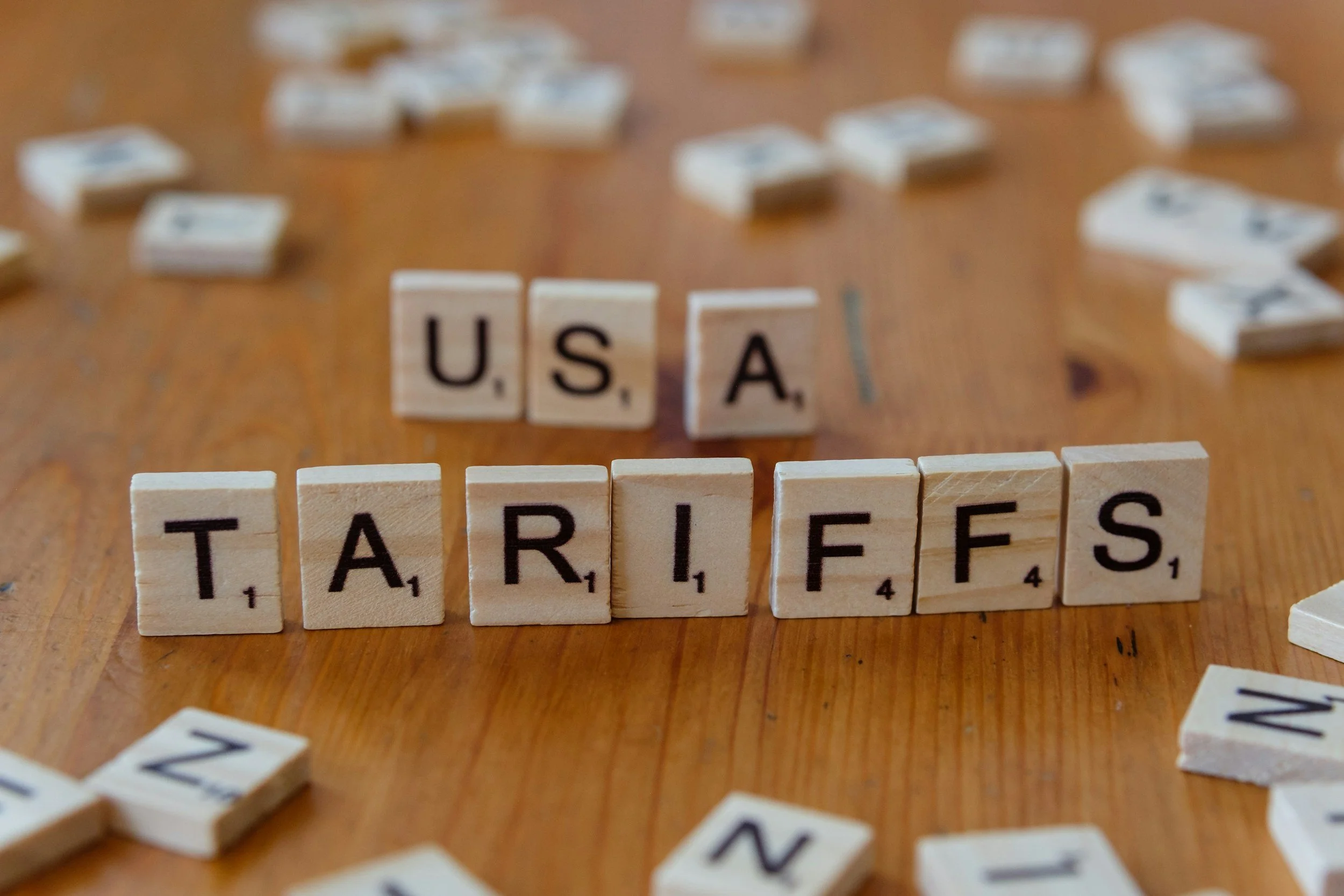
Tariff refunds started this week. The first tranche totals $166 billion-- the largest repayment program in history. Large corporations and thousands of small businesses will receive some of the money they shelled out in unconstitutional tariffs. However, American consumers will once again receive the short end of the stick.
Trump’s “Liberation Day” tariffs were struck down by the Supreme Court in February. Anyone with knowledge of the U.S. Constitution knew that the president’s use of the International Emergency Economic Powers Act (IEEPA) was illegal. Certainly, our trading partners knew this. It was only here in America that there was any question at all. Wonder why?
I believe it was one of the chief reasons that foreign nations targeted by Trump did not retaliate with their own salvo of triple-digit tariffs. They knew it was simply a waiting game. While they waited for the Supreme Court to do its job, they appeased Trump by “promising” to invest “trillions” in the U.S.
But promises are worth little without legal, signed documents to back them up. Few nations inked any kind of legal agreements. Nonetheless, it gave the president a never-ending conga line of photo ops and daily bragging rights. See how many countries are falling over themselves to invest in America, he chortled over and over again. In the meantime, prices on everything rose, supply chains were disrupted, and almost daily changes in tariffs, driven by presidential whims, left businesses worldwide in chaos.
The administration gave almost a weekly tally of how much was collected. The proceeds were used to reduce the U.S. deficit. On several occasions, Donald Trump suggested he would give the proceeds to voters in the form of a check. Then there was the oft-repeated argument that tariffs could replace the income tax. Now all that rhetoric has disappeared as refunds will return the deficit to its former highs.
Readers are aware that I was and still am dead set against tariffs. They are a tax, pure and simple, in my opinion, regardless of what anyone claims. The administration taxed American businesses and consumers, called it tariffs, and then used the proceeds to reduce the nation’s burgeoning deficit. Thanks to the law of the land, that process now needs to be reversed.
In March, the U.S. Court of International Trade ordered U.S. Customs and Border Protection to refund the money collected under the unlawful tariffs, citing the Supreme Court’s decision and its mandate. More than 330,000 importers could receive refunds. Over 56,000 importers have already completed the necessary steps to apply for refunds online, with current claims totaling $127 billion. Following the launch of the refund process, the president stated he would 'remember' companies that did not seek a refund—implying potential future benefits for those that complied, which some view as a questionable use of executive influence.
For large corporations like Costco or FedEx, lawsuits have already been filed, and refunds should be issued post haste (within 60 to 90 days). It is among small businesses that refunds could be problematic. Over the past year, the small business community has been hit hard by these tariffs. Owners’ jubilation at Trump's election gave way to a change of attitude. Their companies were already operating on tiny margins of profitability. Tariffs devastated many bottom lines.
What’s worse, these owners do not have large legal departments or the resources to navigate the labyrinth of government legislation. For many, a single company accountant, unskilled in government paperwork, is being asked to file eligibility claims for refunds. Add to that the tight timeframe required to apply for eligibility at the newly created Consolidated Administration and Processing of Entries (CAPE) department, and you have a typical governmental recipe for disaster.
There may also be the added uncertainty of delay if the Trump Administration decides to appeal the court-ordered refund in its entirety. That would lock up the process for possibly years to come as appeals move through the judicial system. But what of the consumer? Where are their refunds?
The CNBC Chief Financial Officer CFO) Council quarterly survey, released on Monday, indicated that CFOs at companies across multiple sectors have no plans to pass along the billions of dollars in refunds consumers are owed, while acknowledging that their customers bore the brunt of tariff increases over the past year.
If the refunds actually do go through, it becomes clear that American consumers are left with the bill for Trump’s tariffs. The burden is not on foreign nations, as the president claims, nor on corporations or small businesses. Instead, consumers, including you and me, will bear 100% of that bill.
What is even worse? The Trump administration is planning on hosing you yet again, this time with the aid of a Republican majority in Congress. Their Plan B is to reinstate these tariffs. Some of them are already in place. No one can stop them unless, of course, consumers reconsider what is best for them in November.
Bill Schmick is a founding partner of Onota Partners, Inc., in the Berkshires. Bill’s forecasts and opinions are purely his own and do not necessarily represent the views of Onota Partners Inc. None of his commentary is or should be considered investment advice. Direct your inquiries to his website at www.schmicksretiredinvestor.com. Investments in securities are not insured, protected or guaranteed and may result in loss of income and/or principal.