Oil’s decline boosts stocks as Warsh takes over as the new Fed chief.
The price of oil is now trading at only $10 a barrel above its pre-war level. A new Fed chief zeros in on combating inflation, and investors celebrated by pushing stocks toward all-time highs.
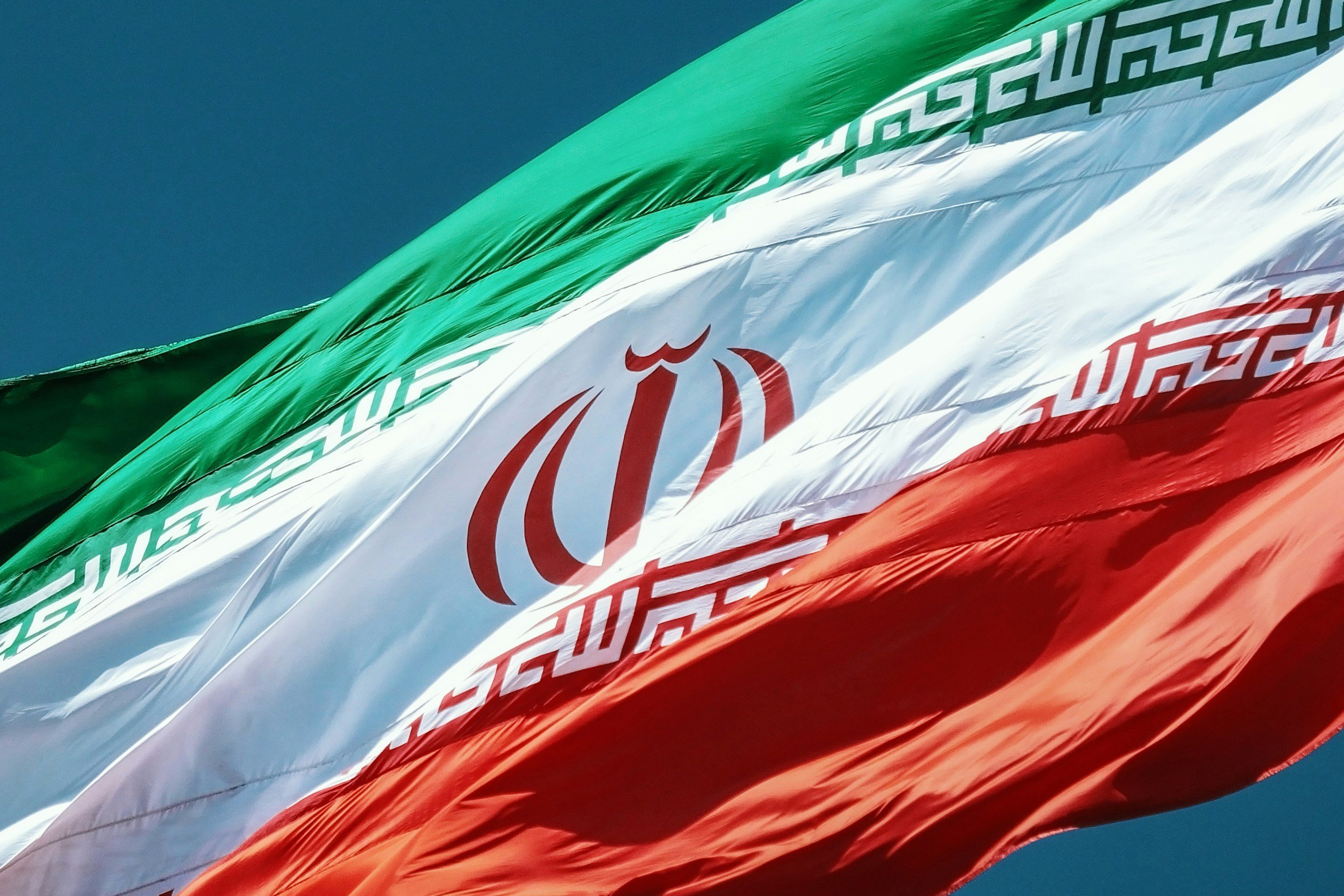
The 14-point agreement between Iran and the U.S. to a 60-day ceasefire and the opening of the Straits of Hormuz sent oil prices plummeting below $75/bbl. and prices at the pump below $4.00/gallon. Traders are betting that the Straits stay open and that the reopening will be swift.
And yet, overnight on Friday, hours after the supposed agreement was announced, Isreal and Hezbollah were already in renewed fighting in Southern Lebanon. Talks between the U.S. and Iran were called off on Friday. Iran insisted the fighting must stop before talks can take place. Evidently another ceasefire was announced shortly after the talks were canceled.
I won’t waste much space on this fragile deal struck between the two sides. Let’s just say it is a long, long way from Trump’s April threat that “a whole civilization will die tonight.” Readers can judge for themselves whether Trump’s War is an inept and embarrassing mistake or the “victory” the president claims.
What else could one expect? Trump's posturing over the deal adheres to his long-held strategy of attack, deny, and then claim victory over and over again. It seems to me, after reading the agreement, that tiny Iran did get the better bargain overall. Their ability to call off talks whenever they want shows strength not weakness in the negotiations.
The good news is that the sixty-day reprieve avoids the July deadline. That was when oil inventories were projected to be scraping the bottom of the barrel, possibly sending oil prices skyrocketing.
The Fed met this week as well. It was Kevin Warsh’s debut as the chairman of this august body. His message was short but not so sweet. He argued the market's entire approach to interpreting the Fed’s messaging needs to undergo a rapid sea change. He said that the central bank has been over-explaining, over-signaling, and overly focused on fine-tuning the economy. Instead of a dovish message about future monetary policy easing, the Trump appointee sounded quite hawkish. Nine out of eighteen of the bank’s top officials believed at least one interest rate increase would be appropriate this year.
Inflation, he said, was the focus right now. He reiterated the central bank's long-held target of keeping inflation below 2%. The fact that the Fed has not achieved that target after five years of trying would need to be addressed. The markets took that to mean interest rate hikes were coming. The only question is when.
Yet, as I see it, inflation will come down over the next few months, driven by sharply lower prices for oil, agricultural products, and other commodities. That I believe will alleviate the present fears that a period of tighter monetary policy is right around the corner.
Switching gears to the markets, at the end of the first week of trading for the largest IPO in history, SpaceX has done well for investors who paid the $135/offering price. To be sure, the initial public offering was only a small slice of the company, about 5% compared to a typical IPO that will offer anywhere from 10% to 20% of its shares in the initial offering. The resulting float is small, but bankers felt it necessary to keep the risk of market disruption at a minimum. Given its overall valuation of roughly $2 trillion, that strategy made sense.
Confounding the nay-sayers, the price of the sock soared this week, hitting a high of $213 before some of the inevitable profit-taking set in. Those who chased the stock are getting hurt. The last I looked; the stock had fallen to a low of $172.11 before rebounding to $185 on Thursday.
Last Friday, the day of its debut, SpaceX set records for the largest single-day net retail buying of a large-cap U.S. stock since 2018. It accounted for 56% of all retail net buying on Friday, according to Vanda, an independent data and research firm.
In addition, at least 40 actively managed Exchange Traded Funds are now holding the stock in their portfolios. The company’s shares are expected to be added to the Nasdaq 100 index as of July 6, meaning that all passive ETFs and index funds that track the index will have to buy the stock. After that, sometime in September or maybe December, it will be included in the Russell 1000.
In a similar fashion to last week, the volatility of price movements among the major indexes continues. Technology, specifically anything connected to semiconductors, is in a FOMO mania. Aside from tech, industrials, materials, real estate, and financials have broadened out. It appears we are in a blow-off phase for stocks overall as they celebrate the expected opening of the Straits and the flow of additional oil. It is possible we could recapture the record highs before the end of the month.
Bill Schmick is a founding partner of Onota Partners, Inc., in the Berkshires. Bill’s forecasts and opinions are purely his own and do not necessarily represent the views of Onota Partners Inc. None of his commentary is or should be considered investment advice. Direct your inquiries to his website at www.schmicksretiredinvestor.com. Investments in securities are not insured, protected or guaranteed and may result in loss of income and/or principal.