Markets are still holding it together before the midterms
The stock market is trading lower, but still close to its all-time highs. That’s somewhat unexpected given that it is October in an election year.
Historically, October and November are great times to buy equities. Since 1950, October has generated an average gain of 3%, while November has averaged 2.7%. Not this year. So far this month, looking back 30 days, I see only the Dow performing well. That index is up a little over 1.6% while the Nasdaq is down more than 3.3%, the S&P 500 is off a little less than one percent, and the small cap Russel 2000 has suffered more than a 2.7% loss.
This is all the more surprising given that third-quarter earnings are expected to be up 30%. So far, 80% of companies reporting are beating earnings estimates. If it isn’t earnings, then what could be keeping a lid on markets this late in October?
It could be the ongoing AI saga. Investors worry that all the spending by this group of companies may not return an investment for several years. There are now questions about whether there is even enough capital to finance all these ambitious AI spending plans.
Gone are the days when investors were willing to wait for the answers. The Warren Buffett approach is not in vogue. For an in-depth look at my take on AI, read my weekly columns “Corporate earnings better be good” and next week’s, “AI and the financial markets.” Warning: you won’t get your typical kumbaya conclusions that you read from Wall Street and money managers all the time.
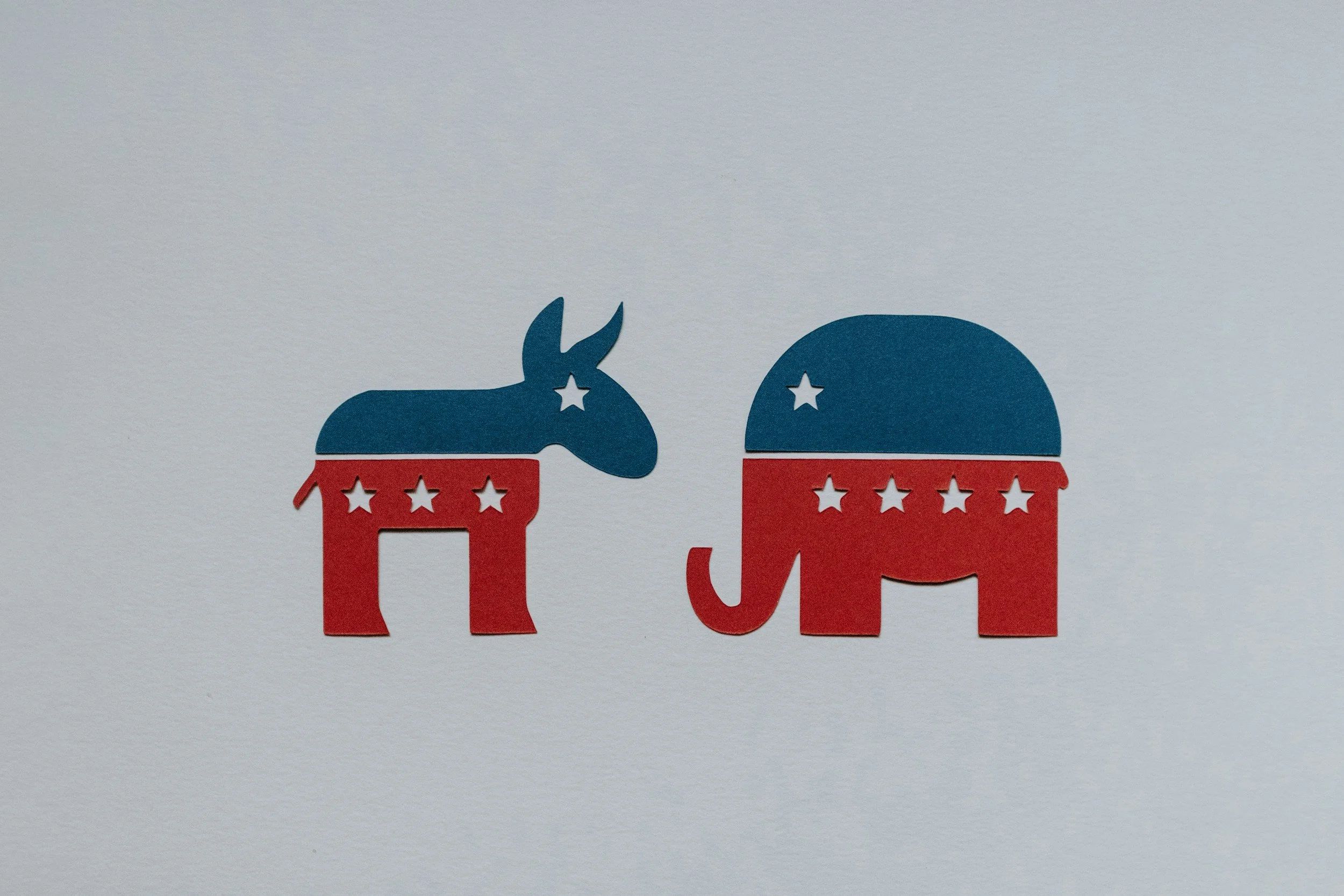
Climbing higher on this wall of worry, we find the possibility of a lower house sweep by Democrats and a close race in the Senate. I don't listen to pollsters given their track record and flaws in data gathering. However, I do follow the gambling sites like Kashi and Polymarket where people put real money on election results. Their results currently echo the polls.
The betting market is giving the Democratic Party a 67-68% chance of taking control of the Senate and a 91-94% chance of flipping the House. If so, it may heighten consternation among market participants. It would change the direction of government policy and would likely disrupt the economic landscape.
Historically, a party taking both the House and Senate was the worst-case scenario for markets. Many political experts with their ear to the ground in the capital dispute the betting market’s odds on the U.S. Senate outcome. They think the Senate is still a toss-up.
The best outcome for the markets would be either a mixed result in Congress or a return of the ruling party to power. That outcome would increase the chance of continuing existing policies. There is a chance that whoever wins will contest the election, requiring recounts, court cases, etc. If so, that could extend election results into December. The markets are giving that a low probability, which could be a mistake.
Further up on the worry wall is the climbing energy prices and inflation levels, the prospect of a resumption of a shooting war with Iran after the elections, the guessing game of whether the Fed will raise rates next week at their FOMC meeting or wait until December, and finally Trump’s apparent embrace of Russia and his seemingly abandonment of Ukraine.
That’s a pretty steep wall to contend with, and yet, we remain within spitting distance of highs. It is uncanny how just before stocks roll over on a new negative data headline, something else hits the tape that pushes the averages back higher.
In any case, it appears astute players are making a concerted effort to keep markets aloft at least until the elections. And why not? The government has a long history of manipulating markets before elections by announcing or leaking better-than-expected economic data. In addition, there are carefully timed “breakthroughs” or “initiatives” that move markets in the direction most beneficial to the ruling party or president.
I think next week’s earnings announcements by Alphabet, Amazon, and Microsoft, along with the outcome of the FOMC meeting, will give direction to the markets. After that, it will be all about the elections. Do nothing but strap in because there is turbulence ahead.
Bill Schmick is a founding partner of Onota Partners, Inc., in the Berkshires. Bill’s forecasts and opinions are purely his own and do not necessarily represent the views of Onota Partners, Inc. None of his commentary is or should be considered investment advice. Direct your inquiries to his website at www.schmicksretiredinvestor.com. Investments in securities are not insured, protected, or guaranteed and may result in loss of income and/or principal.