El Niño is flashing a red light for the world
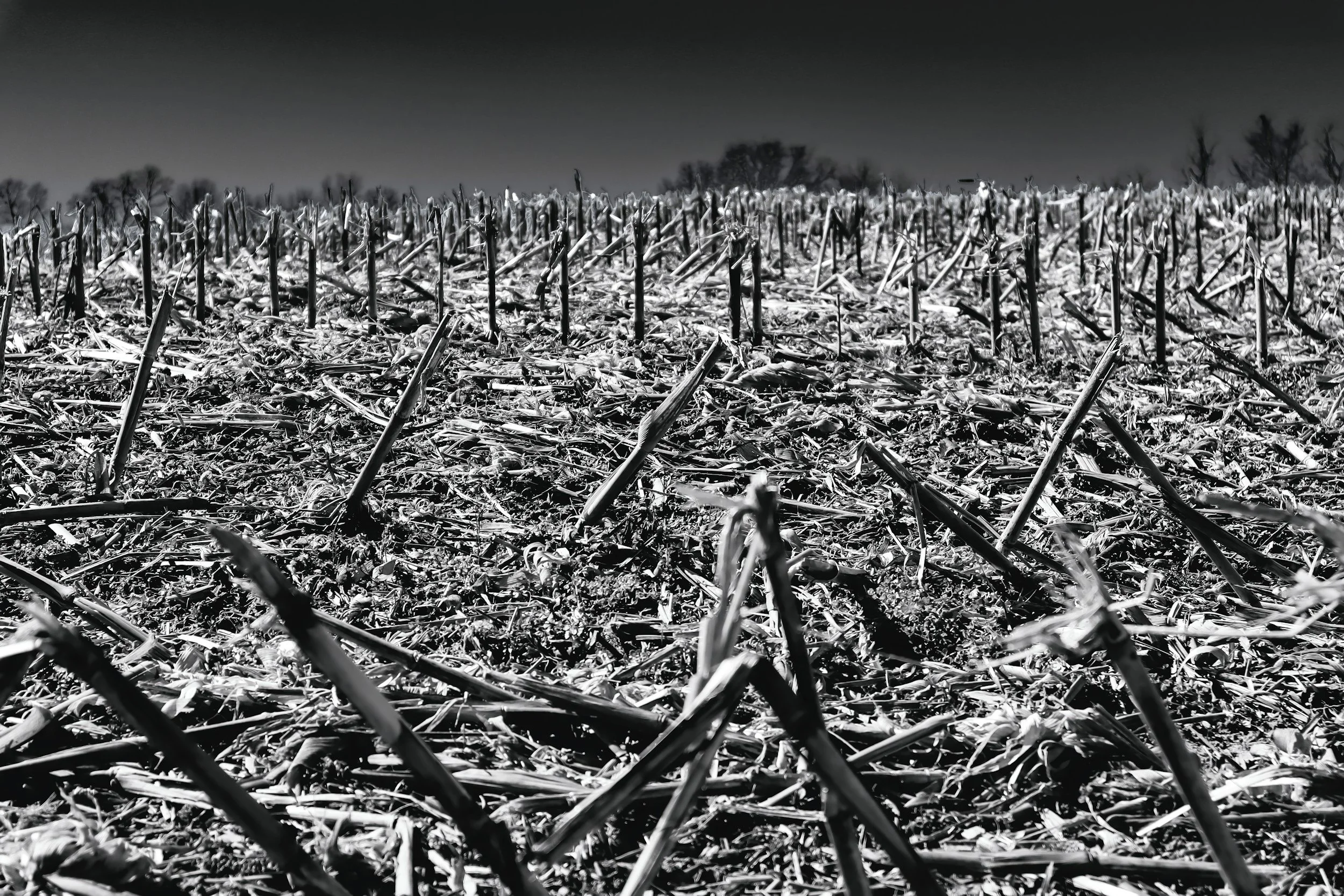
As if food prices aren’t high enough, climate scientists around the world are concluding that the October-December El Niño period this year could see numerous droughts, floods, and other climate catastrophes. If so, the impact on the supply of agricultural commodities could be serious.
There have been 20 El Niños recorded over the past 75 years. For those who don’t know, this climate pattern occurs when unusually warm sea surface temperatures spread across the central and eastern Pacific Ocean. This causes a shift in global weather patterns that affects different regions in different ways. Some areas experience heavy rains while others wither under severe droughts.
Right now, more than half of England is already in a drought. Overall, as we watch and read about record heat in Europe and forest fires in France and Spain, something even more insidious is occurring in the Pacific Ocean. Scientists are already recording above-average sea surface temperatures for this time of the year (2.0 degrees above average). The tropical Pacific is warmer right now than at any time over the 45 years of satellite record keeping.
Consensus forecasts from scientists indicate this year’s El Niño will peak at 3.6 degrees Celsius above normal. The record over 149 years of data is at most 2.75 degrees, which was set in 2015-2016. Throughout its history, only six El Niños reached the level of severity expected for this year’s event.
Some are already calling it the “Super El Niño,” which is expected to peak sometime this fall, at the very time of South America’s planting season. As you might imagine, the weather could cause severe disruptions to planting cycles and to the harvest of food crops, including sugar, wheat, corn, soybeans, coffee, cocoa, and more.
How serious could it become? Back in 1877, the middle of the Pacific Ocean was hotter than anyone could recall. Rain did not come to India, Brazil, or China that year. The soil dried up as crops failed across five continents. Millions died, and it came down to governments deciding who starved and who ate. Fast forward to modern days.
You may remember the great run on the world’s cocoa crop caused by El Niño a few years ago. The Ivory Coast, where 38% of the crop is grown, was deluged by heavy rains and extreme heat. Insects swarmed destroying the rest. Cocoa prices soared, hitting a record $10.97 a kilo in April 2024. That particular El Niño ranked fifth in modern record keeping. This one forming now is presently ranking number one.
In past El Niño events, wheat production in Australia fell dramatically and could again fall by 20-60% if drought becomes a factor. The same could be said for corn in Brazil, coffee in Vietnam, sugar in India, Thailand and Brazil, and grain supplies globally.
Compounding the weather threat is the impact of climate change, plus two wars at the same time, all of it disrupting the global food production system. The Strait of Hormuz has been shut to commercial traffic for five months. Aside from oil, much of the world’s fertilizer production has also been choked off in the Strait, while Europe burns and crops wither. Russia and Ukraine together represent about 27-30% of the world’s wheat crop. As their war drags on, both countries are aiming their missiles and drones at each other’s wheat exports.
By this time, I think you are getting the picture. If there is a silver lining to this potential dark cloud, it is that El Niño may help grain production in the U.S. Warmer-than-normal weather conditions are expected across North America, which could benefit the growing cycle. At the same time, El Niño conditions might suppress Atlantic Ocean hurricanes. If farmers do not run out of fertilizer, the country could act as a buffer for grain markets worldwide, especially for corn and soybeans.
There is also a chance that between now and September, weather patterns change and the force of El Niño dissipates, along with rising temperatures in the Pacific waters. It is getting late in the day for that to occur, however. There could also be an end to Trump’s war, and to the other war he promised to end on day one of his second term. If not, I expect that come winter, and just in time for the midterms, consumers will once again be hit with surging food prices on top of what we are already paying.
Bill Schmick is a founding partner of Onota Partners, Inc., in the Berkshires. Bill’s forecasts and opinions are purely his own and do not necessarily represent the views of Onota Partners Inc. None of his commentary is or should be considered investment advice. Direct your inquiries to his website at www.schmicksretiredinvestor.com. Investments in securities are not insured, protected or guaranteed and may result in loss of income and/or principal.