Despite the rise of streaming, movies still matter.
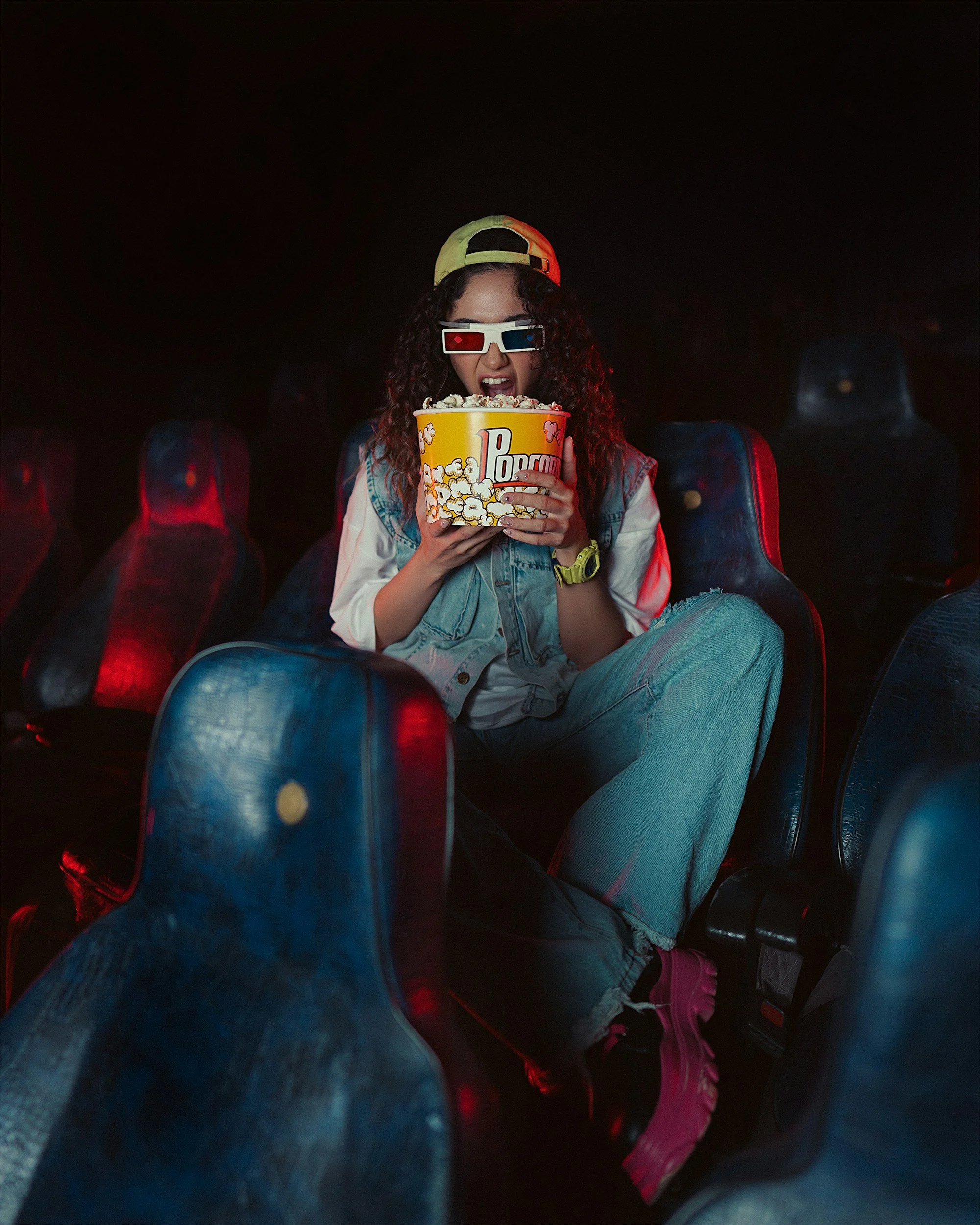
The movies, like everything else, are getting more expensive. With the trend toward streaming at home, you might think attending the cinema is a thing of the past. Nevertheless, theaters are hanging in there, even as they've lost their former glory.
The average price of a movie ticket has more than doubled over the last two decades. In 2004, ticket prices hovered around $6.21; today, they are $12.75 nationwide for an adult ticket, according to EntTelligence data. A Harvard Gazette survey found that the percentage of moviegoers who saw films frequently fell from 39% in 2019 to 17% in 2025.
We all know the answer. A Harvard poll last year found that 75% of Americans had opted to stream a movie at home rather than watch it in a theatre. Why that would be the trend is twofold—convenience and cost. Higher ticket prices due to Inflation, production and labor costs, upgrades and extra fees, to name just a few variables, simply cannot compete with the price of streaming a film on television for a fraction of the cost.
Convenience is another almost insurmountable barrier to movie-going. No hassle to find a parking space, no having to ‘dress up’ (whatever that means in a land of hoodies and sweatpants), no dog or babysitting expense, raiding the fridge for dinner or snacks while watching (rather than buying $15 popcorn), you can make at home for less than a dollar. I am sure readers can come up with some other convenience reasons as well.
With all that stacked against them, why are movie theaters investing in new luxurious seating, wine bars and gourmet food, sound systems that would blow out your hearing aids, and advanced projection technology costing $90K or more that puts you dead center in that cockpit soaring through the solar system?
In many ways, hope for better days ahead keeps movie houses spending. Streaming has disrupted their market, and rather than give up, companies have attempted to adapt and extend their relevance. The death knell for movies predicted by many at the outset of the pandemic never quite occurred.
What Covid-19 did was force many theatres to rethink their business. Theatre chains began offering other amenities beyond simply showing films. Bowling, arcade lounges, gaming, and whatever else they could come up with to keep their patrons lingering longer. Comfortable seating where Baby Boomers and others can assume the couch potato position also helped.
For an old Baby Boomer like me who watches his pennies, I find the prices for those 65 and over reasonable. A family of four, however, could easily spend close to $100 after tickets, food, and drinks. And the theater knows this is where their profit margins lie, which is why most houses prohibit bringing in any food or beverages (even water).
Call me paranoid, but ever since Covid, I still mask up and have been wary of crowds no matter where I go, so sitting in a crowded theatre for two plus hours is less than appealing. For me to expose myself to a theatre, the movie must be terrific—something that just screams big screen and totally immersive surround sound. Preferably, I’ll choose an unpopular screen time to avoid the crowds. Not so my wife, Barbara.
To Barbara, movies are an event, right down to the popcorn. She enjoys the collective atmosphere, celebrating films like 'Barbie' with friends, focusing more on company than the movie itself.
Keep in mind, too, that no matter how long I slave over a hot popcorn maker at home, she swears movie popcorn is better. Readers, be warned—she does not share her popcorn even with me. It appears she is not alone. The Gen Z population appears to be a growing segment of in-theatre event attendees.
They are particularly attracted to anniversary screenings, blockbuster movies, and special events. Gen Z is now the most active cinemagoing demographic, attending more films per year than their elders , according to a Fandango study. They also spend more per visit on concessions and premium format screens like IMAX.
An update to Cinema United's annual Strength of Theatrical Exhibition report analyzes industry metrics beyond mere box-office numbers. They found that 77% of Americans (more than 200 million) saw at least one movie in a theatre last year, and the number of habitual moviegoers (six or more movies per year) increased by 8%. Gen Z attendance increased by 25% last year, the largest increase of any age group.
These youngsters averaged 6.1 visits per year, up from 4.9 in 2024. But it was not all about blockbusters. In fact, Gen Z, while seeking experiences like Barbara's, was also looking for immersive moviegoing and unique concessions. This desire translates into bigger screens, enhanced sound systems, and more snacks on their minds. Consequently, it appears that the more than $1.5 billion theatre owners spent last year upgrading their theatres was well spent.
And on the price front, a record of sorts was just announced by Regal Cinemas. It appears they are charging $50 per ticket for advance opening-night seats at 70-millimeter IMAX screens to see “Dune: Part Three” in December. Rest assured, I won’t be in the audience, but I’ll likely see it at my local theatre with my wife. Even if I wait three months after its release, I could probably see it on a streaming channel for the price of my monthly subscription. I reason it’s a small price to pay for a date with my wife. After all, you can’t put a price on true love.
Bill Schmick is a founding partner of Onota Partners, Inc., in the Berkshires. Bill’s forecasts and opinions are purely his own and do not necessarily represent the views of Onota Partners Inc. None of his commentary is or should be considered investment advice. Direct your inquiries to his website at www.schmicksretiredinvestor.com. Investments in securities are not insured, protected or guaranteed and may result in loss of income and/or principal.