Crypto companies see beyond bitcoin
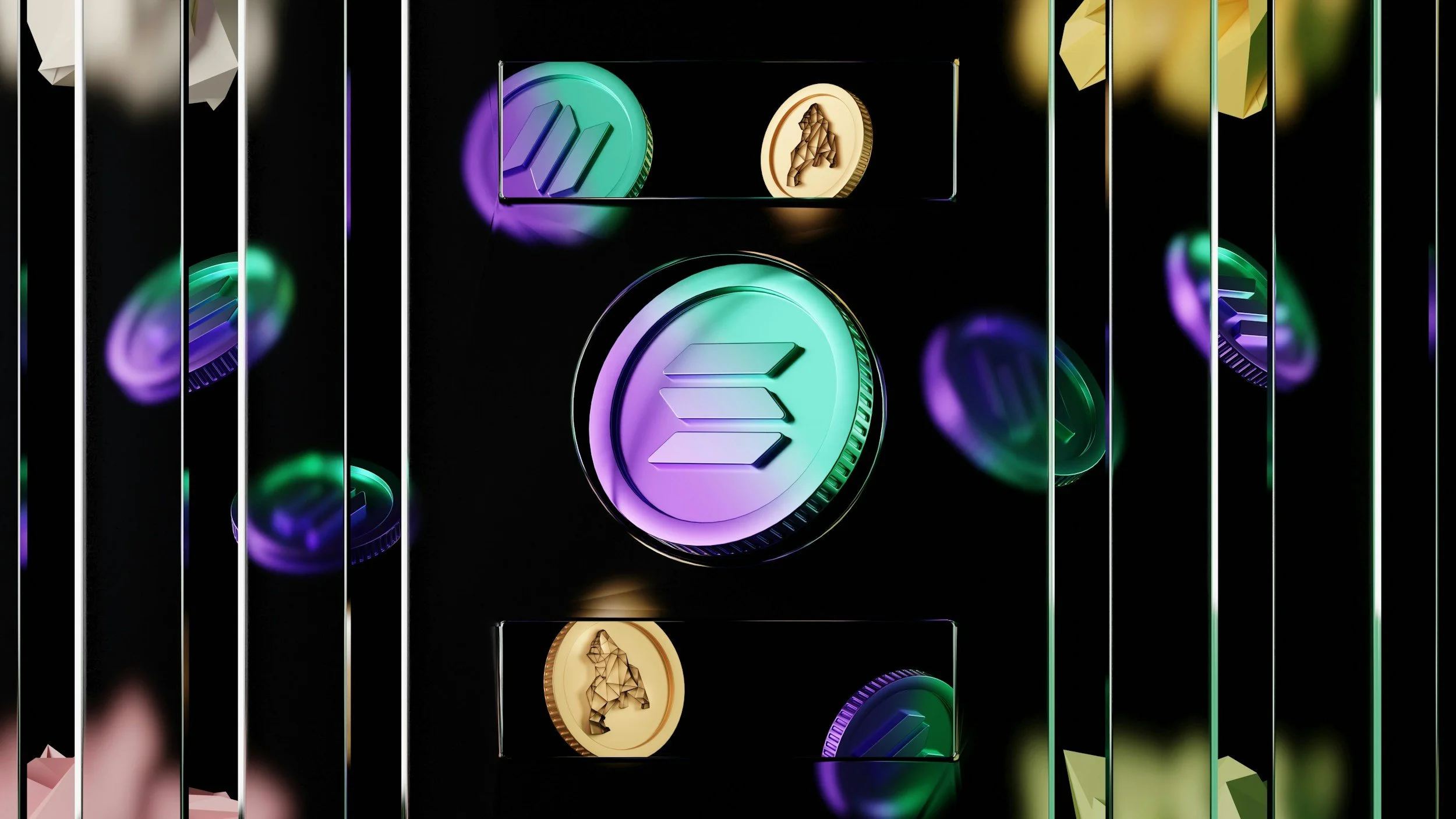
There is a brave new world out there for crypto miners, brokers, and blockchain entities. The same process that allows cryptocurrencies to trade and settle in the blink of an eye is now being applied to other assets. The hope is that this new technology can help some companies escape another long, crypto winter.
It is called asset tokenization. And whether we are talking about stocks, bonds, real estate, or anything else that trades in the real or digital world, all these areas can be tokenized. The first question many ask is what is a digital token?
It is a programmable digital asset, just like any crypto currency, issued on an existing blockchain such as Ethereum. But unlike cryptocurrencies such as Bitcoin, which have their own blockchain, tokens can be issued on just about anything, including asset ownership of things (paintings, properties, dollars), access rights, voting power, identity, predictions etc.
A stock, for example, which trades on a digital market (and most of them do), can now be converted into a digital token on a blockchain. This allows for fractional ownership, faster transactions, and broader market access. While tokens can be applied to anything, they have an obvious use in expanding financial infrastructure where settlement of money is extremely important.
One way to think about this technological trend is as a new way to handle the flow of financial assets that trade globally, 24 hours a day. Money changes hands constantly and the expression ‘time is money’ takes on real meaning when trillions of dollars are involved. Tokens act as a new kind of plumbing that allows money, instead of water, to flow faster, with fewer cracks, leaks or clogs, and therefore greater predictability. In past columns, I have written about stablecoins, which also use blockchain technology to effect fast, secure, and borderless transactions in the currency world. This is simply another use for this technology.
Crypto companies have embraced digital tokenization with open arms. Bullish, a crypto exchange run by the former head of the New York Stock Exchange, acquired a tokenized equity company, Equiniti, for $4.25 billion in a stock transaction a week ago. Recently, Centrifuge, which specializes in tokenizing exchange-traded funds and credit products, announced a deal with Coinbase, a leading cryptocurrency company.
Robinhood, the broker, is also interested in the area but has yet to ink a deal. CEO Vlad Tenev did say that “our strategy is to take crypto infrastructure and apply it to assets that have real-world utility. That’s why we care so much about tokenization.”
Crypto companies hope tokenization will allow them to expand beyond simple cryptocurrency trading. As readers know, crypto currencies can be notoriously volatile and have been subject to periods of massive underperformance. Over the years, the crypto companies have had to weather periodic ‘crypto winters’, which can last for years. If tokenization catches on, it could allow the industry to diversify away from volatile crypto trading toward a more stable and predictable business model.
But tokenization is in its infancy. As it stands, there are only about $27 billion in tokenized real-world assets on the blockchain. That’s a drop in the bucket when one considers the $200 trillion plus in global digital equities alone.
However, the settlement arms of Nasdaq and the Depository Trust and Clearing Corporation (DTCC), which do the lion’s share of equity settlements, are now engaged in pilot programs studying both blockchain-based settlement and tokenized securities. Larry Fink, the CEO of BlackRock, the mega-billion-dollar asset management company, believes tokenization could transform finance. He may be right. One thing is for certain: blockchain technology is here to stay, and its uses will continue to multiply.
Bill Schmick is a founding partner of Onota Partners, Inc., in the Berkshires. Bill’s forecasts and opinions are purely his own and do not necessarily represent the views of Onota Partners Inc. None of his commentary is or should be considered investment advice. Direct your inquiries to his website at www.schmicksretiredinvestor.com. Investments in securities are not insured, protected or guaranteed and may result in loss of income and/or principal.