A biotech start-up reviving extinct species
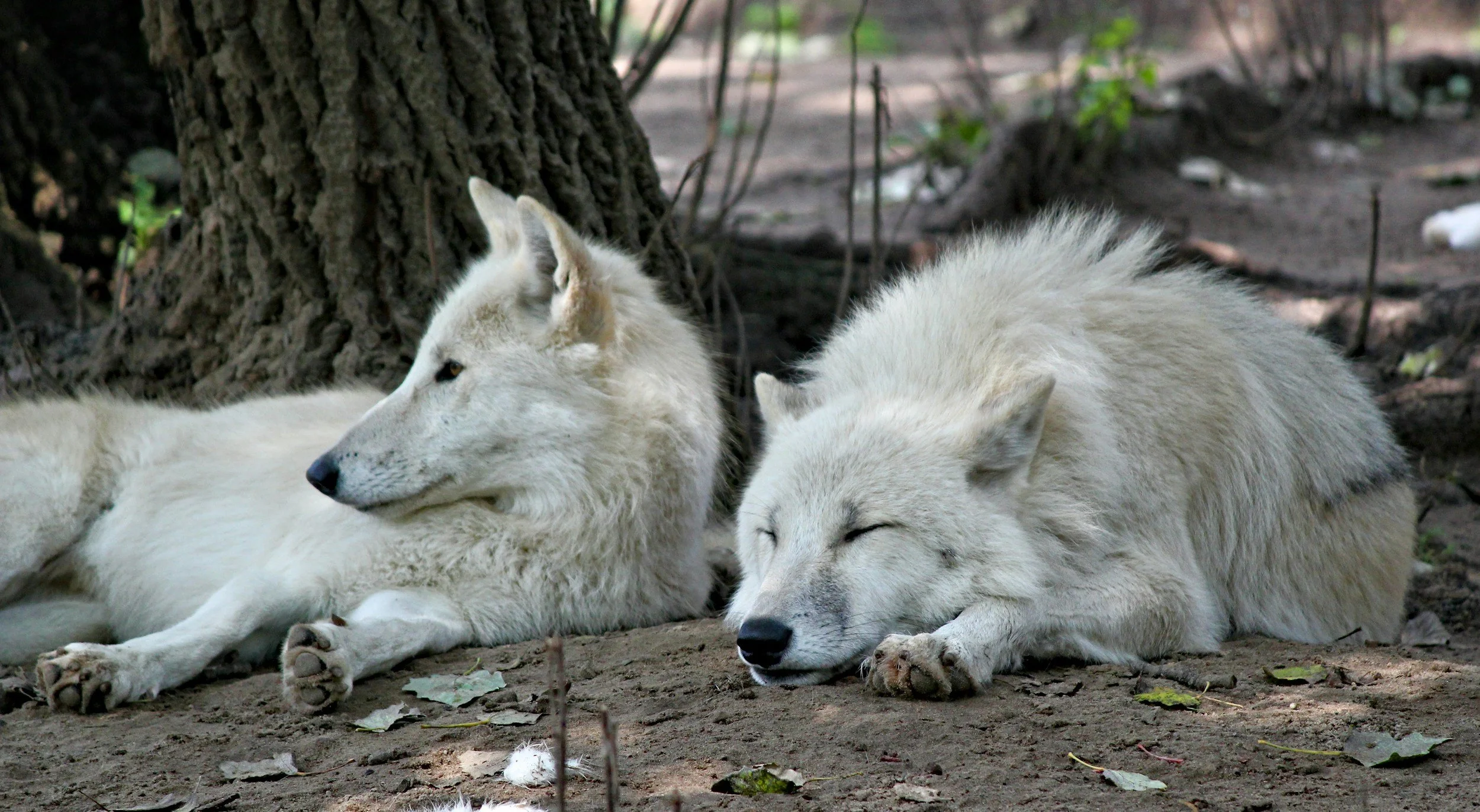
A year ago, Colossal Biosciences introduced to the world their version of the dire wolf, an animal extinct for over 12,500 years. The company’s scientists are hoping to bring back the woolly mammoth by 2028. On the list for resurrection are the blueback, extinct for two centuries, the giant moa, and the beloved dodo, among others.
Before you ask, Velociraptors, the highly intelligent, deadly predators of “Jurassic Park,” are not on the list of extinct species being studied, nor are any other dinosaurs. The company is headquartered in Dallas, Texas (not Isla Nublar). It was co-founded in 2021 by CEO Ben Lamm and Harvard University geneticist George Church, with initial support from venture capitalists totaling $15 million.
Since then, Lamm, who originally made his money in gaming and AI startups, has used his Silicon Valley know-how and entrepreneurial drive to raise more than $10 billion in funding. While the company remains private, some of its notable investors now include Paris Hilton, filmmaker Peter Jackson, and NFL quarterback Tom Brady.
The world has already bestowed a name on Colossal Bioscience’s ambitions--De-extinction. De-extinction is the process of reviving extinct species using advanced scientific techniques. It is a growing field that represents the meeting point of several scientific pursuits, including biotechnology (the use of living systems or organisms to develop products), ancient genomics (the study of DNA from extinct organisms), cloning (creating genetically identical organisms), and genome editing (precisely altering the genetic material of an organism).
The idea of de-extinction was first popularized back in 1979 by the Piers Anthony book “The Source of Magic” and Michael Crichton’s 1990 sci-fi novel “Jurassic Park”. The authors raised the possibility back then that long-extinct organisms could be cloned from preserved DNA.
Fast forward to 2024, when company scientists worked secretly for months in their Dallas labs growing grey wolf blood cells and extracting DNA from them. They made 20 edits in the animals' genomes—changing specific DNA sequences—and injected the altered DNA into egg cells from a domestic dog to create clones. These cloned embryos were placed into the wombs of surrogate dogs, eventually resulting in the birth of three pups. In April of that year, the company announced that “the first de-extinct animals are here.”
The pups were described as dire wolves, a large-bodied wolf species of the North American ice age, 11,500 years ago. You may remember the Stark kids’ dire wolves from Game of Thrones. The two males, Romulus and Remus, were born in October 2024, while the female, Khaleesi, was born in January.
The news triggered a worldwide media sensation but also sparked an ongoing battle between the company’s team and other scientists over exactly what constitutes a de-extinction event.
Some scientists argue that the company’s dire wolves are not authentic but are simply genetically engineered dogs with wolf-like characteristics. They worried the hype around the company’s work on extinct species is exaggerated and can mislead the public about what de-extinction can achieve.
Taking their lead from Jeff Goldblum’s Dr. Ian Malcolm, the chaos theorist who warned the Jurassic scientists about the dangers of dinosaurs, other critics fret about the ecological risks of letting loose in the wild predators like these new dire wolves, or the damage giant woolly mammals may do roaming the countryside.
Colossal Bioscience frames its work as part of the global effort to reverse biodiversity loss. The company and its shareholders believe in conservation; though modern conservation efforts, they add, are being outpaced by climate change and the rapid eradication of species after species. At the same time, many of the dwindling populations of endangered species have become dangerously inbred. By introducing lost genes from museum specimens, Colossal Bioscience hopes to reintroduce genetic diversity.
In May, the company announced it had cloned four critically endangered red wolves. This species is on the brink of extinction. The red wolf once roamed the Eastern and Southern U.S. By the 1970s, systematic hunting and habitat loss reduced their numbers to fewer than 20. The company’s long-term goal is to reintroduce red wolves into the ecosystem with the help and guidance of government agencies.
Worldwide, the United Arab Emirates has funded a research lab at the Museum of the Future in Dubai. An accompanying biovault—a secure facility designed to safely preserve genetic material—will store a wide range of DNA from many species for preservation and de-extinction. The UAE is also interested in saving the Arabian leopard, the smallest and rarest of big cats, which is locally extinct.
In New Zealand, $100 million was raised to launch the giant moa project. The flightless bird, extinct for several hundred years, is the country’s national symbol. “Lord of the Rings” director Peter Jackson, as well as Māori groups and scientists, are backing Colossal Bioscience’s efforts on that project.
The bottom line, for me, is this: Anything or anyone that captures people’s interest and imagination in conservation is vital. Do I care if this dire wolf, woolly mammoth, Tasmanian Tiger, Dodo, or Moa is an exact replica of an extinct species? Not at all—nor will it matter to kids, adults, my readers, or the world at large. If it excites us or convinces us to join efforts to preserve and reverse threats to our ecosystem, I am all for it. Are you?
Bill Schmick is a founding partner of Onota Partners, Inc., in the Berkshires. Bill’s forecasts and opinions are purely his own and do not necessarily represent the views of Onota Partners Inc. None of his commentary is or should be considered investment advice. Direct your inquiries to his website at www.schmicksretiredinvestor.com. Investments in securities are not insured, protected or guaranteed and may result in loss of income and/or principal.